Trip Highlights
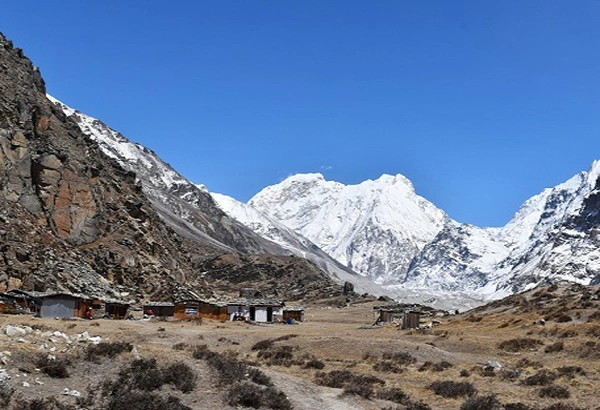
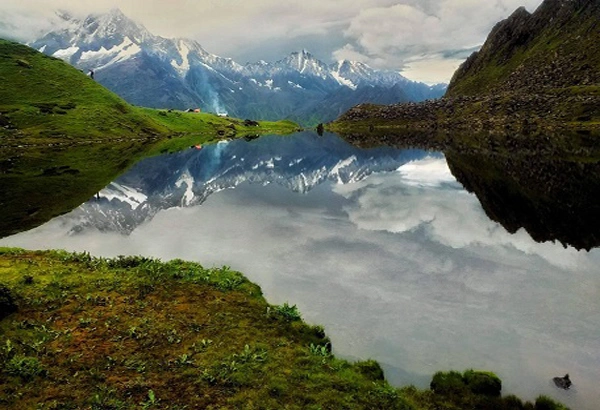
- Discover one of the most remote and untouched regions of the Annapurna region.
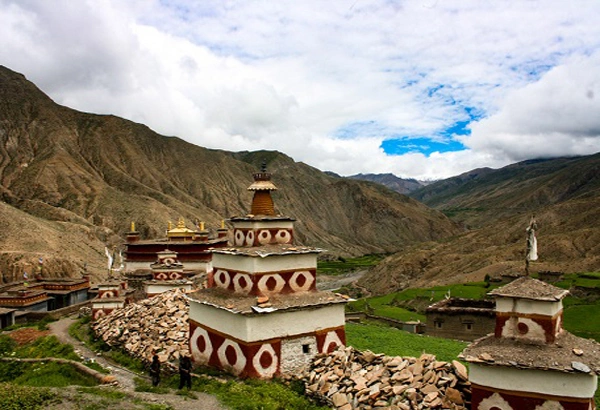
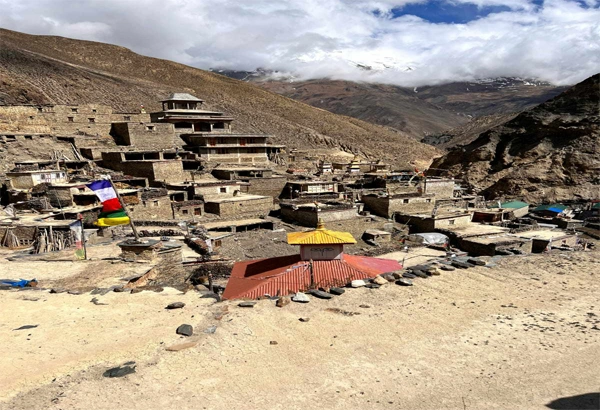
- Experience the Tibetan-influenced culture and traditional lifestyle of the local people.
- Cross Kang La Pass (5,320 m).
- Wildlife includes monkeys, mountain goats, Himalayan tahr, musk deer, and many other species.
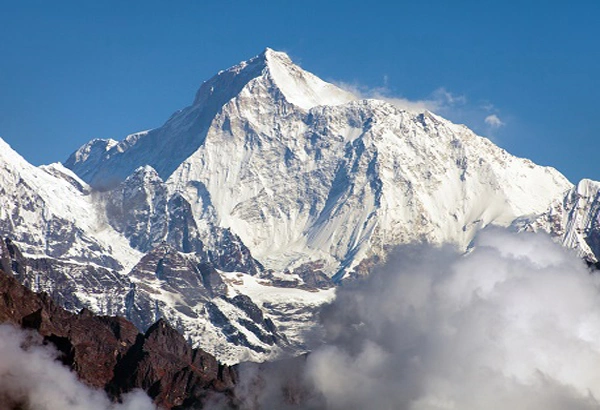
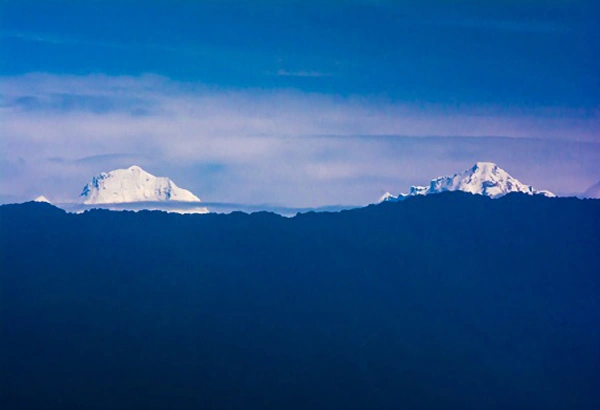
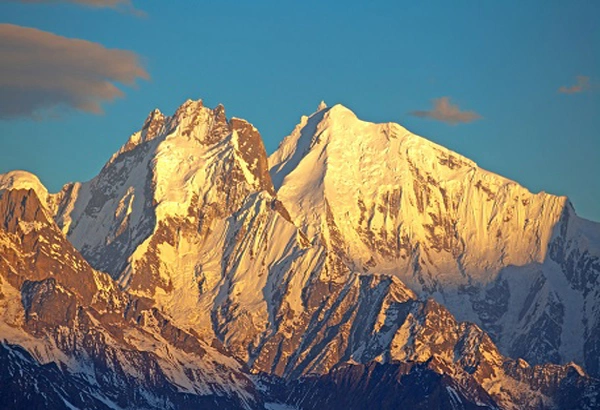
- Enjoy spectacular views from Kang La Pass.
- Visit ancient Buddhist monasteries.
- Relax in the natural hot springs at Chame.
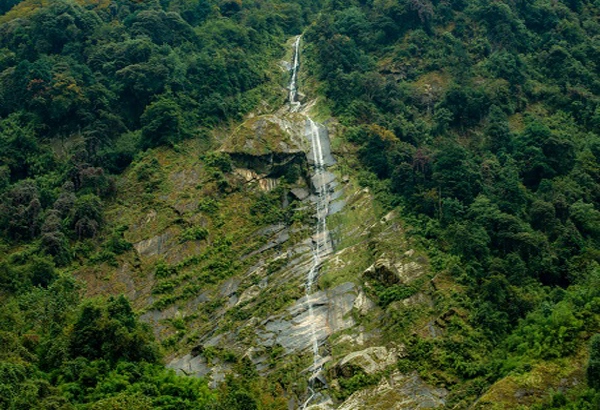
- Enjoy beautiful waterfalls, pine forests, and rhododendron woodlands.
Detail About Local Trekking Guide and Porter Service for the Nar Phu Valley Trek
Are you looking for a reliable local guide and porter service for the Nar Phu Valley Trek?
We offer the Nar Phu Valley Trek, one of Nepal's most remote and off-the-beaten-trail adventures. At Himalayan Local Guide, we organize trekking adventures throughout the Himalayas. The Nar Phu Valley region was opened to foreign trekkers in 2003.
The Nar Phu Valley Trek offers the opportunity to explore the unique hidden valley gems, culture, nature, religion, and mountain views of Annapurna, Himlung Himal and crossing the Kang la pass 5320m and joining the Annapurna circuit trekking route. It is one of Nepal's most fascinating hidden valley treks. So, if you want the Nar Phu Valley guide and porter service trek, we organize experienced and friendly local trekking guides and porters hired from Kathmandu. This makes your trekking experience safer and more comfortable. We have government-registered, trained license holders local trekking guides, and porters.
We are always here for your service if you are interested in trekking to the Nar Phu Valley Region. We will be delighted to guide you to these heavenly areas where you can rejoice and spend your leisure time with beautiful mountain sceneries and hills. It will be a llifetime adventure experience for you.
PERMIT COST FOR NAR PHU VALLEY TREK:
September – November
USD 100 per person per week USD 15 per person per day (beyond 1 week).
December – August
USD 75 per person/week USD 15 per person/day (beyond 1 week)
- TIMS Card: USD 20 per person.
- Annapurna Conservation Area Permit (ACAP) per person: USD 30.
GUIDE/ PORTERS SERVICE:
We organized a guide and porter service to make your journey easier and more knowledgeable. Guides lead trekkers along the trail, check TIMS and entry pass permit. The trekking guide provides information on the history, culture, and lifestyle of the people residing there, detailed knowledge on various aspects of living and non-living beings in that region, and provides assistance and advice if you experience altitude sickness. Porters carry your heavy bags and equipment with you as they are experienced in carrying heavy loads.
How Much Does a Guide or Porter Cost for the Nar Phu Valley Trek?
Restricted Area Nar Phu Valley trek Guide Cost is USD 30 per day including accommodation, meals, salary, insurance, meals, and equipment.
Porter Cost is USD 25 per day including accommodation, meals, salary, insurance, meals, and equipment.
You May also Like Package Trip:
- Nar Phu Valley trek - 10 Days
- Nar Phu Valley trek with Annapurna Circuit - 14 Days
Note: If you are willing to know about the just Hire Guide and Porter service Charge for the Nar Phu Valley region with Government Taxes + 13% Vat is 40 USD Per Person.
Trip Itinerary Expand All
After the breakfast, we will drive along the Kathmandu–Pokhara Prithvi Highway to Dumre and then we follow the narrow and paved road by the Marshyangdi River reach to Besishar. Again we will change the jeep or bus to Dharapani. It will be long and wonderful scenery of the lush green hills, rivers colorful terraced farmlands and small settlement areas. Overnight stay at a lodge in Dharapani.
Today will be more exciting day, we will pass the an amazing village of Bagarchhap, Danaque after then we will ascend and cross the wood bridge, again climb uphill to ramble on the pine and rhododendron forest, our trek will be continue to reach the timang village. This village has chance to see the delightful views of the Mt. Manaslu, which is the more than eight thousands peak. The trail again moves by lush forest and reach to Koto Village, we will spend overnight at Lodge.
After the delicious breakfast, we will check the Special Nar Phu Valley permit ACAP and TIMS Card. The trails offers the delightful views of Lamjung Himal and Annapurna II, after then our journey will be continue towards Meta, the trekking trail follow along the bank of soti Khola and goes through the dense forests. We will cross the few suspension bridges, and ascend on the pine and rhododendron forest then reach to Meta Village. We will spend a night at Lodge.
The trekking trail goes to ascend and descend and we will cross the several suspension bridges. The trail will take you to Kyang, where you will get to see the miscellany of the Khampa settlement. Then after you will walk along the phu Khola on a rugged trail and reach village. You will get to see the amazing landscape on the way journey to Phu Ghau.
Today is our rest day at Phu Ghau. We will go to explore the Himlung Base Camp, and spend few an hours on there, observing the local culture and traditions also we will go visit the ancient Buddhist Monastery, which is listed in the 108 world’s old Gompas. This Monastery is believed to the last monastery built by Karmapa Rinpoch. We will back to Hotel and we will stay overnight at Lodge.
After the breakfast, we will start our trek, the trail descends and cross the suspension bridges until you reach to Mahendra Pul. From there again will cross the suspension bridge over the lapche river, we will ascend by numerous Stupas and reach to Nar Village. From the Nar Village, if the skies are clear, you will able to see the views of Pisang peak and Annapurna ranges.
Another rest day in Nar Village, today also we will hike to small hill around 500 meters, then we back to Hotel and we will go to explore the village. You will look into the daily lifestyle of the local peoples and their culture.
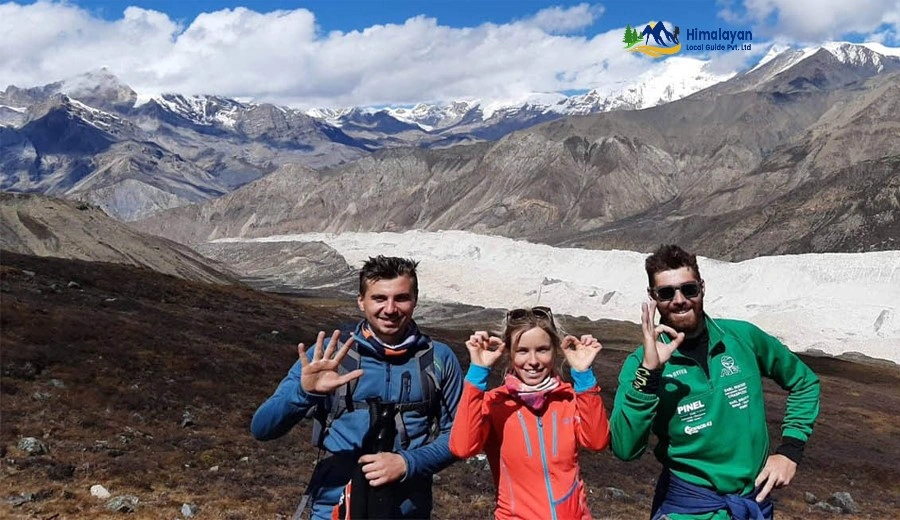
An eerily morning we will have breakfast, after then our journey will be going long and exciting day, the trail we will ascend to kang la pass, from the top we will be able to see the delightful panoramic view of Annapurna ranges with wonderful landscape. We will enjoy very much with nature, we will spend few hours on the top for taking picture with mountains and landscape, after then we will descend to Nawal Village, where we can explore the ancient Buddhist temple and local lifestyle.
Today we will have very early morning breakfast, after then we will trek descend to Ghermu, Upper Pisang, Dukur Pokhari and Bratang and reach to Chame village. Along the trail we chance to explore the ancient Buddhist monastery, typical Houses, Stupa and mani walls on the way and views of Annapurna II, Annapurna III, Annapurna Iv, Gangapurna, Pisang Peak and Lamjung Himal etc.
After the delicious breakfast, we will catch the jeep to Besishar, pass through the beautiful villages of Koto, Danaque, Dharapani, Chamje village, Jagat, Nadi, Bulbule and reach to Besishar, again we will change the Bus to Kathmandu.
Frequently Asked Questions Expand All
The main highest point of nar Phu Valley Trek is 5320meters.
Yes, you can do it privately trek with our local trekking guide and Porters.
Best time to do Nar Phu Valley trek from (September – October – November - December), February – March – April – May).
TIMS Card (Trekking information Management System), Special Nar Phu and ACAP (Annapurna Conservation Area Permit).
- Do not drink alcohol & smoke
- Walk slowly while you climb up hill
- Take a garlic soup and ginger tea
- Drink water 3 to 4 liters per day
- Do acclimatization and rest
- Take a Diamox as per instructors if you got AMS symptoms
Yes, you can change your currency in Nepal; we will help you to exchange your currency
The trekker’s need to be paid 13% of the full trip cost in advance and remaining of the funds for trekking can be made on arrival in Kathmandu. For the booking of your trek please kindly you may go through the system of “BOOKING” form, click on there and make your reservation.
Yes, you can get the internet; most of the tea house has Wi-Fi.
Yes, you can charge your camera battery and phone; they have electricity and Solar Panel.
It is moderate trek and normally, we have to walk 10 to 13 days.
Yes, it is safe for a solo female travel, ours teams are responsible, and who are leading the solo travel through the Nepal Himalayas regions.
No, it is not possible to get ATM and Bank on the Nar Phu Valley Trek, so you must to takes Nepali currency from the Kathmandu.
Yes, you need to take a sleeping bag during the trek; it is difficult to get blanket on the lodges because so many Guides and porters does not have blanket.
Yes, of course we will provide you professional local trekking guide and porter’s team, who are from the same place or Himalayas region, our guide have details knowledge of the Himalayas and government license holder trained, speak very well English. Our porters are fully helpful and friendly.
Useful Information
BEST TIME TO DO NAR PHU VALLEY TREK:
March – April – May (Spring Season):
This is the best time to do Nar Valley Trek. The weather is very good through the trek. Spectacular views of the Lamjung Himal, Annapurna II, Annapurna III, Annapurna Iv, Pisang Peak, Chulu Peak, Gangapurna, Tilicho Peak, and many smaller white snow-capped mountains etc.
The temperatures will be increasing from the middle of March and with blue skies, snow-capped peaks will be seen at their best. So Many climbers successfully summit peaks during this season in this time. On the way trip, the Nepalese National flowers will be blossom such as red, white, and pink rhododendrons with luscious green and dense forest.
June – July – August (Summer/Monsoon Season):
If you would like to do Nar Phu valley Trek in between June to August, it is summer/Monsoon Season. Summer and monsoon season lasts from late June to August. This time is the warmest and rainiest period with a variety of vegetation blossom during this season, the Valley will be green and totally different view than spring and Autumn Season. If you trek during the summer season you have to be more careful with trekking trails, it might be Muddy and Slippery. It will be regularly rains and hottest during this season.
About the temperature during the days 15 to 25°C, will be gets colder nights and morning times, Temperature will be less than 8°C, and must of the morning time will be see blue sky with white snow-capped Mountains.
September – October – November (Autumn Season):
Another best time to do for the Nar Phu Valley Trek. This season is the peak of trekkers due to the good weather conditions. As monsoon season slowly ends, a best trekking climate sets itself. Temperatures reach to 15 degrees in the day time and, during the night time will be down to 3 to 5 degrees. This time is allowing trekkers to enjoy the natural scenery and local culture. It is highly recommended as its best time to go for Nar Phu Valley Trek.
December – January – February (Winter Season):
The winter season trek to Nar Phu Valley Trek is not as popular as March – April – May to September – October – November. The places along the Nar Phu Valley Trek will be cold during the winter season but at that time will be an amazing trip. The temperature of Nar Phu Valley Trek can be around as low as -10°C which tempts travelers to visit this region. It might snow falls and the Ground will be snow on the trails.
The Coldest time Starts from December to till early February, after overdue February, Temperatures gradually become warmer to get cold dropping to -2°C to - 5°C at high altitude. While the sun come up, day time gets warms and blue sky with stunning all Himalayas views.
Accommodations during the Nar Phu Valley Trek:
The accommodations during the trip, Accommodation is generally provided in basic twin-sharing rooms. Our local trekking guide team leader will be managing beautiful common room. If possible he will try to manage the best room with attached bathrooms. About the attached bathrooms it’s very difficult to get in the Himalayas regions, most of the mountain areas they have just common room and we must to share the toilet and bathroom with other trekkers. The single rooms are available in the lower altitude Himalayas regions. But it is not possible to get single room in the higher elevations; you must to share with other people.
Meals:
During the Nar Phu Valley Trek, all kinds of meals will be provided in the Annapurna region, you can take pleasure in Nepalese traditional foods likes: Nepali Dal Bhat and many typical foods are available on the this region. Also they have special menus; you can choose the many different kinds of European, Italian, Chinese and Indians foods are available on the during the journey.
Breakfast:
You can choose by menu of your breakfast: options such as French toast with (jam, Honey and Butter), muesli, Oatmeal, Corn Flakes, cereal, hash browns, any style of eggs you would like, Gurung Bread, Tibetan Bread with (jam, honey and peanut butter), pancake, puffy, and tsampa porridge and chapatti with any kinds of Tea.
Lunch:
Lunch time; you will have the opportunity to specials delicious food likes: Thukpa, vegetable Noodle soup, Chicken Noodle soup, mushroom soup, fried veg. cheese potatoes, veg eggs fried noodles, eggs. Vegetables fried macaroni, Momo (dumplings), eggs. veg fried rice, Nepali Dal Bhat set (Dal Bhat power 24 hours) and many much more items.
Dinner:
You can choose by menu: a menu that’s similar to the options you had at lunch break time: Stews, Pizza, Thukpa, Fried Noodles, Noodle soup, macaroni, fried potatoes, fried rice, momo (dumplings), spring roll, Dal Bhat set, spaghetti and many much more items etc.
Safe Drinking water:
The Nar Phu Valley region yWater is available from taps and natural water sources. This water you must to use purification medicine or filtering hand pump, also you get boiled and bottle of water are available at lodges. While you hiking in the mountains regions, you should drink normally 4–5 liters per day.
Travel insurance for Nar Phu Valley Trek:
Travel insurance is compulsory to have to join an adventures journey in Nepal Himalayas. We do not sell travel insurance here; we would be pleased to recommend some of our preferred providers. While you purchase a travel insurance nsurance policy, be sure it covers the following contingencies:
- Medical treatment and evacuation.
- Repatriation
- Emergency helicopter rescue.
- Trekking and climbing.
You need to get a higher tier of travel insurance in order to have these activities covered at a high an elevation. For the Nar Phu Valley trekking, we recommend securing insurance to cover your trip activities more than 6,000m/ 19,685feet. Luckily travel insurance policies are easy to get online and you can compare coverage between packages rapidly and easily. The trekking under the defense of travel insurance wills an assurance your peace of mind and protects you in the unlikely event that you need to file a claim.
AMS – Acute Mountain Sickness:
Acute Mountain Sickness (AMS) or an altitude sickness is one of the risks even as traveling in the high an elevation. The region following getting AMS is while the body doesn’t change in the lower altitude, and the result can be serious. So, it is most important to take appropriate measures on the time. Ascend gradually with constant pace and good acclimatization days, it will be helping reduce the chances of getting AMS.
Likewise, you also have to keep yourself hydrated during the trip. As a result, drink plenty of water and keep away from alcoholic drinks as it dehydrates the body. If you are planning to travel in the trekking adventure of Nepal than do remain about things in your mind.
Note: if you have got any symptoms of altitude sickness then keep contacting with your personal local trekking guide our guide are trained and he know the how to solve the (AMS) Acute Mountain Sickness.
The main Symptoms of altitude sickness:
- Headache
- Nausea
- Vomiting
- Fatigue
- Difficulty sleeping
- Dizziness
- Light headedness
- Loss of appetite
- Difficulty breathing
Preventive measures:
- Do not drink alcoholic beverages in the high an elevation
- Keep yourself hydrated
- Do the Acclimatize low altitude to high altitude and back to sleep on the low altitude.
- Do not achieve more than 500 meters in a day
- Do not walk very fast in the high altitude.
- Walk a slowly on the high elevations and keep walking.
- Do not walk alone on the way.
- Inform your guide as soon as if got any high altitude sickness.
- Drink very much boiled water and hot tea.
- Take a garlic soup and Ginger tea; it is high altitude sickness medicine
Safety, Security and Satisfaction:
Himalayan Local Guide guarantees our valuable client’s (Safety, Security and Satisfaction). The safety is most important concern for us. For the trip, we will be carrying all necessary trekking gears, equipments and first – aid – kits box. Our professional leaders and local trekking guides have experienced knowledge and have wide first aid training. When we are hiking on the way, if a trekker got (AMS) – Acute Mountain sickness due to the altitude, just normally: Headache, Vomiting, Dizziness, fatigue, difficult to breathe than you can share to our leader. Our local trekking guide leader will give you suggestions about the AMS – Acute mountain sickness how to medicament and he does very much help then, if he/she can’t does anything then trekker’s must to decide, will further continue as health is most important. Just in case of emergency, the rescue helicopter will always be stand to take you back to hospital from the high an elevation. No worries about it, we are always here for you services and our times are always in the mountains with mountains lovers and hikers.
Passport and Visa:
Travelers/trekker’s to Nepal will need to obtain a visa when you arrived at Tribhuvan international Airport or you can get a visa from your country of Nepal embassy. Most of the traveler’s will be able to get visa on arrival at the Kathmandu Airport. Please kindly make sure that your passport is valid for at least six months from the date of your arrival, begins with the date that you enter the Nepal. You must also bring the extra passport-sized photos of you.
On Arrival Visa Fee:
15 Days – 30 U$D
30 Days – 50 U$D
90 Days – 125 U$D
Necessary document for Nar Phu Valley Trek:
- Insurance paper.
- Passport.
- Passport-sized photos.
- TIMS Card (Trekking information Management system Card.
- Nar Phu Valley and ACAP (Annapurna Conservation Area Permit) entry permit.
Nar Phu Valley Trek with professional local trekking guide and Porters team:
Himalayan local guide Pvt. Ltd provides knowledge expert government registered trained license holder Guide for your Nar Phu valley region trek who are from same place and knows the regional trekking area very well. Our local trekking guide and porter or porters cum guide are too strong and knowledgeable about the whereabouts of the place, its history, culture, floras and faunas, etc.
We are always here for your service if you are interested in trekking to these mountain areas. We will be delighted to guide you to these heavenly areas where you can rejoice and spend your leisure time with beautiful mountain sceneries and hills. It will be a lifetime local adventure experience for you.
Last - Minute booking with us.
The last minute booking with us can be made by any interested trekker or traveler the day before your journey begins. As well as, whatever reason Himalayan Local Guide P. Ltd has a special providing for a last - minute booking. The payment should be made 100% within 24 hours once we accept the booking. We do try our best to manage a trek at any time, and if you are booking this for the last minute then, booking can be made directly through the online form or you can send us via email, messages on whatsApp, viber or by calling by phone.
Responsible Travel:
“Come as a Guest”
“Go as a Friend”
We have a very strong and expert loyalty to environmental suitability for protecting our delicate ecosystems. Without a doubt, tourism sector has brought lots of optimistic impacts in terms of wealth generation, service opportunities, infrastructure, education and healthcare etc. However, with a swell of trekker’s harmful impact has also become noticeable on the society and the environment. Please kindly ensure you think about the environment and not carefully confusion moreover, Himalayan Local Guide (P). Ltd. workings together with (KEEP) Kathmandu Environmental Education Project and organizes eco- friendly trips about for the most part environmentally responsive and culturally pleasing that get together the expectation of both traveler’s/trekker’s and Communities.
TREKKING EQUIPMENT LIST:
Body Clothing:
- Sleeping Bag
- Down Jacket
- Three pairs of trekking t-shirts
- Long sleeved shirts
- Thermal Shirt for Colder place
- Fleece Jacket
- Warm wool Sweaters
- Waterproof and windproof Jacket
- Cotton Trekking pants with folding
- Waterproof and windproof pants
Head and Face:
- Sun Hat
- Wool or fleece hat
- Headlight
- Sunglass
- Sunscreen 50
- Face wipes and towel
List of Foot wears:
- Trekking Boots
- 3–4 Pairs of Trekking Socks
- Crampon
- One pairs extra Sport Shoes
Necessary Gears:
- Gaiters just in case if snow
- Gloves and Thick Gloves
- Big rucksack above the 40 L
- Waterproof Bag Cover
- Rain Coat
- Trekking Pole (if you needed)
- Laundry Soap
- Shampoo
- Toothbrush
- Toilet papers
- Water purification tablets
- Bottle for drinking water
- Pen and Note Book
- Copy and Tourist Guide Book
- Camera
- Battery charger
- Memory card
- Cell Phone and Charger
- Money Wallet
- Altimeters and Playing card
First Aid Kit:
- Diamox
- Cotton bandages
- Paracetamol
- Painkillers
- Loperamide to Control diarrhea (just in Case).
- Water purified tablets
- Lozenges
- Elastic bandages
- Thermometer
- Moleskin and sling.